.png)

The 9-12 Month Performance Gap: What Turnover Really Costs Fire Departments
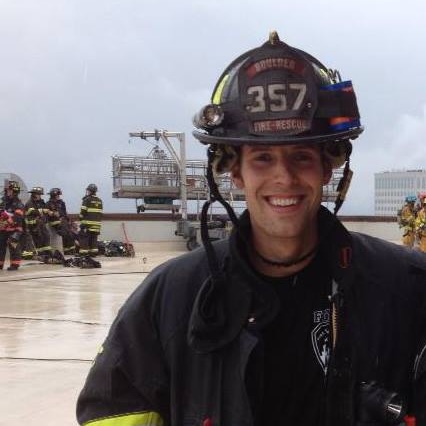
Tactical insights from Lieutenant Tyler Capron, Peer Support Team Leader at Boulder Fire Rescue and VP of IAFF Local 900
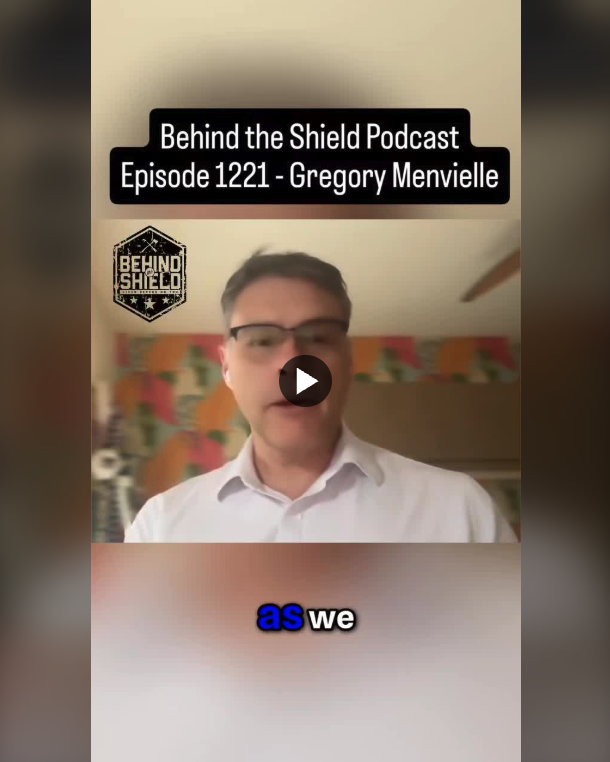
By Gregory Menvielle, CEO of Okaya
When a firefighter walks out the door, departments lose more than a body on the roster. They lose 9-12 months of operational capacity during replacement, burn through overtime budgets backfilling the vacancy, and sacrifice institutional knowledge that took years to build.
Lieutenant Tyler Capron sees this from three angles: as a company officer managing operations, as peer support team leader tracking performance degradation, and as Vice President of IAFF Local 900 negotiating for his members. His perspective cuts through the noise: retention isn't about compassion - it's about preserving readiness.
Boulder Fire Rescue runs 120 members across 7 stations. Tyler leads a 12-person peer support team that treats mental readiness the same way they treat equipment checks: mandatory, measurable, and mission-critical.
This is how elite departments think about operational effectiveness.
If You Were Starting From Scratch: The Three-Pillar Framework
Menvielle: You've been leading peer support for several years. If you were starting from scratch today, what would you focus on?
Capron: In the fire service we are often reactive, we respond after something has already happened and peer support was no different when we started our peer support team about 10–12 years ago. I wanted to be a part of that, as that was something for me growing up through the fire service that I felt that we've always missed.
If I could start from scratch today, I'd approach it differently with three key pillars. The first thing I'd want is developing that policy from the top down: what do we want this peer support team to be? What is the vision at department level? Without that, the program drifts, and people aren't sure what success looks like.
The second thing is dedicated, stable funding. Every year I still fight for a budget, and that makes it hard to grow. You can't build a strong program when you don't know if you'll have resources next year.
The third piece is a tracking system from day one. Chiefs want to know: how many contacts are being made, how many training hours the team is doing, and what themes are coming up across the department. They don't need individual details - that would break trust - but they do need to see usage and value. Data drives funding in today's fire service. If you can't provide it, your program looks like a cost instead of an investment.
In the last few years our department has made mental health a part of our Wellness and Fitness Initiative. It is a mandatory one-hour session with a licensed clinician alongside physicals and blood work each year. Some people treat it as a checkbox: 'I'm doing fine, I just have to get this done' but the real value is in relationship-building. When - not if - someone hits a crisis, they've already met the clinician, and they feel more comfortable reaching out. That connection makes all the difference.
The Real Cost: Why Turnover Destroys Operational Capacity
Menvielle: How would you think about the cost of not investing in firefighter wellness?
Capron: It is still above me but the cost of turnover is enormous. When a firefighter leaves, you don't just lose a body - you lose years of institutional knowledge and experience. From a process standpoint, it takes 9-12 months between the hiring process, academy, and training for a new firefighter to be fully on line. In the meantime, you're paying overtime to backfill the vacancy, which puts stress on the rest of the crew and eats into the budget.
Retention isn't just about filling positions, it's about preserving readiness and experience. Fire chiefs have to be data driven because that's how they justify the money. They are accountable to budgets, councils, city managers, and municipalities are having to do more with less.
Mental health has been really a hot topic over the last 10 years and it is needed but it's also hard to allocate money when you really don't know. The right data for peer support isn't about personal stories - it's about utilization, training, and themes. How many people are using the program? How many hours are peer supporters putting in? Are we seeing trends like fatigue from overtime or stress around staffing shortages?
Without data, wellness can look like just another expense. With data, it becomes clear that investing in mental health saves money by reducing turnover, protecting readiness and keeping experienced firefighters on the job.
From "Suck It Up" to Strategic Advantage: The Culture Shift
Menvielle: How has the culture around mental health changed during your 20 years in the fire service?
Capron: The culture has completely shifted. When I first came in, the old guard trained us to 'suck it up' and push through. But today, newer firefighters expect more openness and support. They're tech-savvy, they've grown up with AI, they are used to having tools at their fingertips and are not afraid to use them.
Culture doesn't change with words alone. What really makes the difference is modeling. I can tell my crew all day to check in, but that doesn't work. What works is showing them that I do it too. Vulnerability from leaders doesn't make you less of a firefighter. If you're good at your job, people will follow you. That's how culture shifts.
With new recruits, I really try to start that relationship from day one. I let them know they're valued, that we're glad they're here, and that it's okay to struggle. We've all been through it - the calls we run, the sleep we lose, the pressure we carry. You can put on a tough facade, but firefighters see through that quickly. So I tell them: we have resources for you, and we want you to utilize them. If you are struggling, please reach out to me or anyone you feel comfortable with, whether they're a peer supporter or not, so that they understand that it's okay to struggle. That early relationship makes a big difference.
Technology as Force Multiplier: Meeting Firefighters Where They Are
Menvielle: Where do you see technology fitting into peer support work?
Capron: Okaya really is a great opportunity for first responders. No matter how you feel about AI, these check-ins that take a few minutes of your day or week build that relationship. Some firefighters may want to talk to me, others may prefer a private check-in on their phone. With the newer fire services who are very tech savvy this is something that can really be beneficial. Either way, the value is that it builds a baseline over time. As life events happen - family changes, big calls, stress, fatigue - firefighters can see those shifts being tracked and reflected back to them, and that may prompt earlier action. That awareness matters.
There are people that are always going to rebut the fact that they have to do something. But I think the more they do it voluntarily and see the benefit, that's what's going to be the true driver. And it's also just modeling and showing that this is something I'm doing. Just like equipment, mental health check-ins should be routine and part of our day. Technology doesn't replace peer support or clinicians, it adds another tool in the toolbox to meet firefighters where they are.
The Next Five Years: Funding and Cultural Competence
Menvielle: What do you see as the next step for peer support in the fire service over the next five years?
Capron: The next big step is dedicated funding. Too often, support only shows up after a tragedy. When those things happen, suddenly the money is there. But we can't run programs that way. We need budgets locked in ahead of time.
The other big piece is cultural competence. Firefighters are different. Our jobs aren't the same as other city workers. An EAP counselor might be excellent at what they do, but if they've never pulled somebody out of a wreck at 3 a.m., it's harder for us to open up. The good news is more and more first responders are becoming clinicians. They've lived it, they know the stress and the culture, and that builds instant trust.
At the end of the day, this comes down to allocating dollars, resources, and time to make sure our crews are taken care of. From the union side, supporting mental health is part of wages, benefits, and working conditions. From the chief's side, it's about safety and readiness. Those perspectives may come from different angles, but they lead to the same conclusion: if you want a healthy, effective workforce, you have to invest in mental wellness.
Resources are expanding, and EAPs have come a long way and we're moving in the right direction. There's a lot more culturally competent support now than there was even a few years ago, and it keeps improving.
The Bottom Line
Tyler puts it plainly: "I wouldn't want a firefighter who can't climb stairs on a high-rise fire. And I wouldn't want someone on the rig who isn't mentally ready either. Both matter. And that's okay."
As the fire service continues to evolve, departments that treat mental readiness as operational readiness - with clear policy, dedicated funding, and measurable tracking - preserve their competitive advantage. They keep experienced firefighters on the job, reduce the 9-12 month performance gap from turnover, and build teams that can sustain high performance over careers, not just shifts.
At Okaya, we support leaders like Tyler Capron who understand that wellness isn't a benefit - it's an operational requirement. Quick, routine check-ins turn invisible performance degradation into actionable data. Not therapy. Not surveillance. Just another tool in the toolbox for teams serious about maintaining readiness.
Ready to learn more about how Okaya can support your department's operational readiness? Contact us.
Do you want to try it for yourself?
Setup your free Okaya Account today to experience it for yourself. Then contact us to have access to the organization's view of the platform.