.png)
Patent-pending technology validated in operational environments
.jpg)

Multimodal Analysis

Multiple Research

DoD & Industry

Research Journals
Unlike conventional tools that compare you to population averages or rely on self-reported questionnaires, Okaya analyzes multiple streams of objective data from natural conversation to detect changes in your personal baseline. Our technology simultaneously analyzes independent data streams during conversational check-ins:
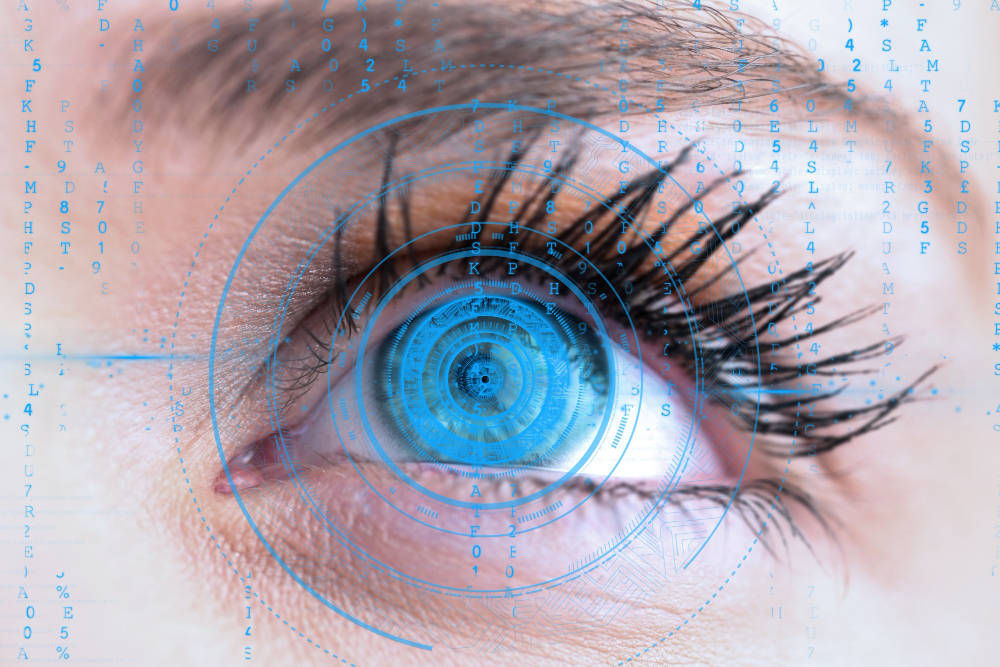
Facial micro-expressions and movement patterns
Eye tracking and blink patterns
Head position and motion dynamics
Vocal pitch variation and stability
Speech rate and rhythm patterns
Voice quality characteristics
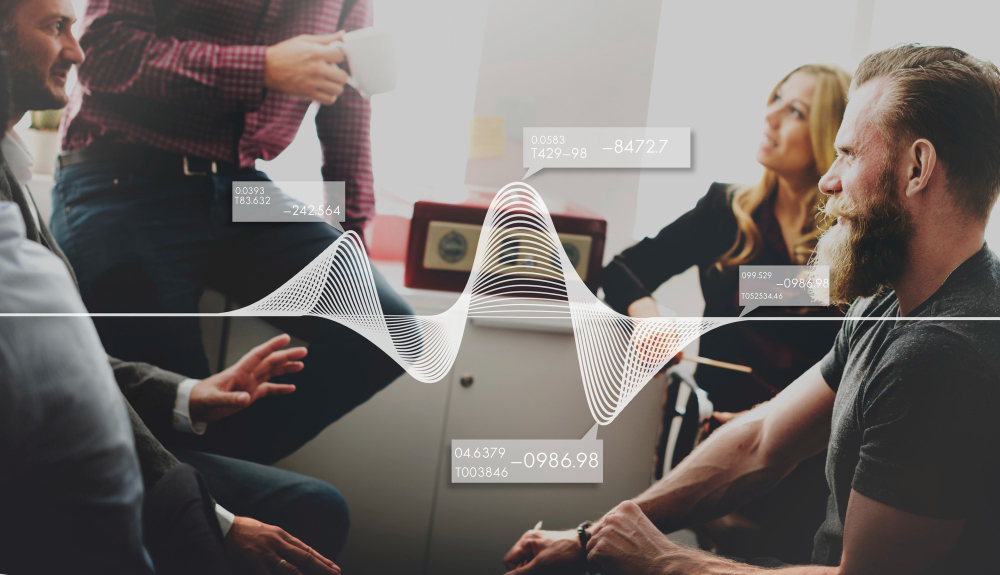
Language complexity
Response patterns and cognitive load markers
Conversational coherence

Single-channel assessment misses critical signals. Research demonstrates that:

Fatigue manifests differently across vocal, visual, and linguistic channels
Combining multiple streams improves detection accuracy
Cross-validation between channels reduces false signals
Personal baseline tracking requires multiple data points
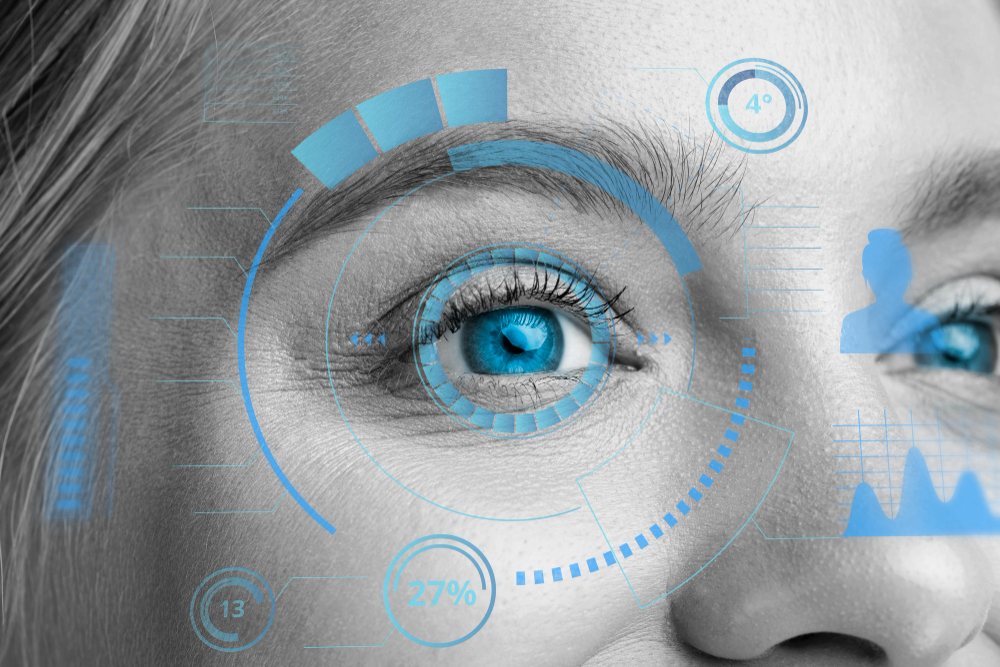
Deviation from your personal baseline across validated biomarkers. Weighted composite of visual, acoustic, and linguistic features correlated with cognitive capacity. A readiness indicator tracking YOUR capacity to perform at YOUR standard.
We collaborate with leading researchers to validate our platform.

Meet our science and research advisors
.png)
.png)

Multimodal analysis with personal baseline tracking addresses fundamental limitations in existing assessment approaches.
The technology works differently than conventional tools. Here's how.
Personal baselines begin stabilizing after 5-7 check-ins. Optimal accuracy typically achieved after 10-14 days of regular use. Initial scores are generated immediately but become more accurate as your baseline establishes.
The system accounts for normal day-to-day variations. Single low scores don't trigger alerts—the algorithm looks for sustained trends over multiple days or sudden significant drops. Multimodal convergence (2+ channels showing concurrent changes) significantly reduces false signals.
Complementary data streams. Wearables track physical metrics (HRV, sleep stages, activity). Okaya tracks cognitive and psychological markers (mental clarity, language complexity, stress response patterns). Physical fitness doesn't equal cognitive readiness.
Any device with camera and microphone—smartphone, tablet, laptop. Web-based platform, no app installation required. Check-ins take 2-3 minutes. Daily recommended for optimal tracking; minimum 3x/week maintains accuracy.
Partially. Physical illness often shows distinct vocal patterns that differ from cognitive fatigue. However, the system tracks overall operational capacity—whether decreased performance stems from physical or mental factors. Users can annotate sessions with context.
Different purposes. Traditional screening diagnoses clinical disorders through self-reported symptoms at single time points. Okaya monitors operational readiness through objective biomarkers continuously. Not diagnostic—detects changes that may warrant clinical assessment.
Academic institutions conducting digital biomarker research
Military and government organizations focused on operational readiness
Healthcare systems exploring performance monitoring