Science to the Station 2026: What a Call Count Misses
In short
In November 2026, Okaya's CEO Greg Menvielle spent three days at Science to the Station in Kansas City, a research conference on firefighter health. His takeaway: ready on paper and ready today aren't the same thing, and both silence and a call count can hide the gap. The speakers kept coming back to sleep, leadership and culture, and the hallway conversations to wearables, retention and results.
I spent November 3 to 5 in Kansas City at Science to the Station, a conference where researchers and firefighters share what they're learning about firefighter health.
What did I take away?
Ready on paper and ready today aren't the same thing. A quiet crew can hide the gap. So can a call count.
I was also surprised by how many people opened up, in the sessions and in the Q&As.
Thank you to Sara Jahnke, Brittany Hollerbach and the whole team for putting it together.
Why does silence matter so much?
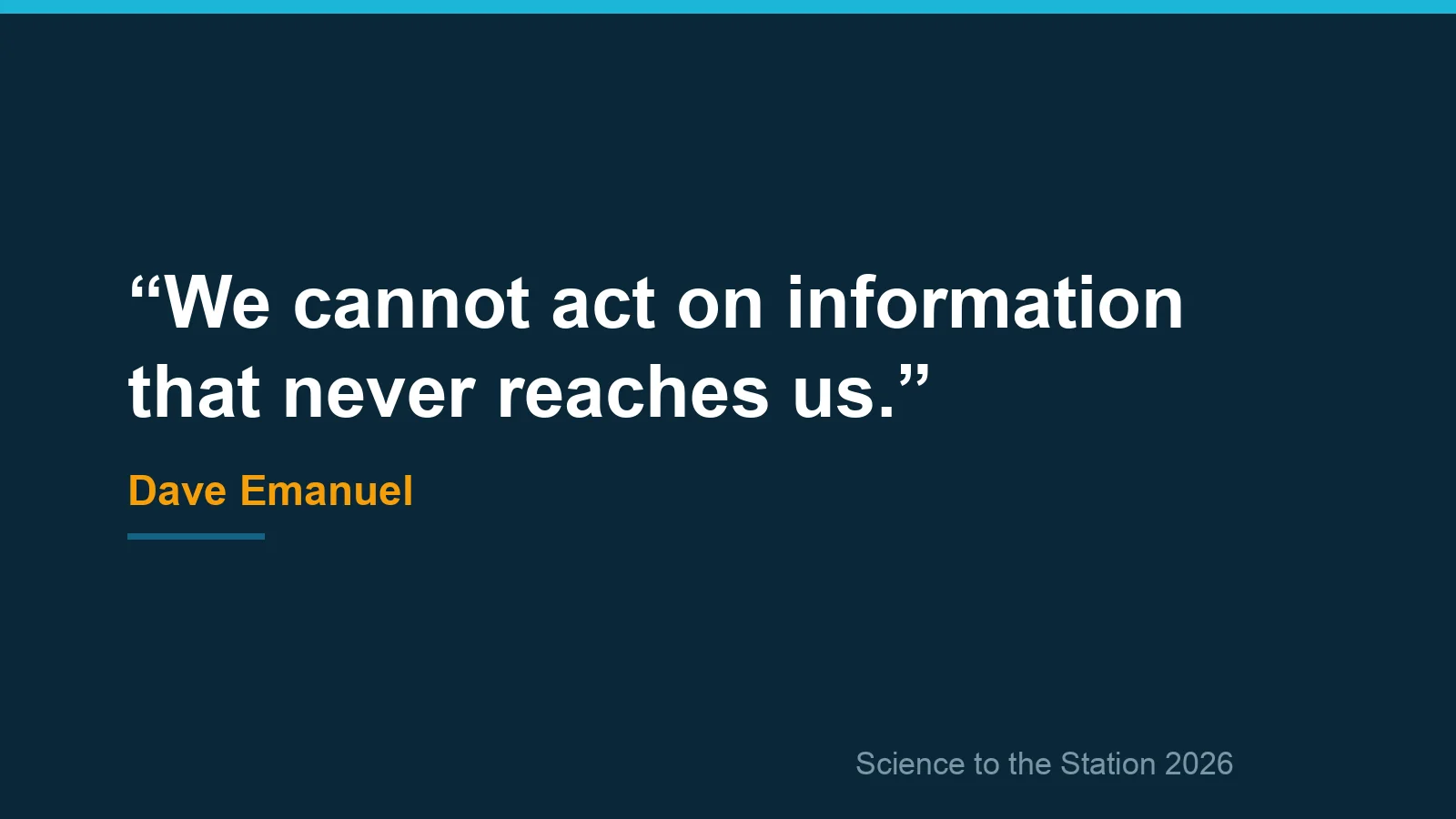
Dave Emanuel spoke as a chief about psychological safety. Rank, experience and the way a concern was handled last time all make it harder for people to speak up, and fear of retribution or embarrassment keeps them quiet. He put it simply: "We cannot act on information that never reaches us."
He made it the leader's job. "A leader's response today will help shape what gets reported tomorrow." His fix is small enough to try on the next shift: instead of asking whether anyone has questions about the plan, ask whether anyone has concerns about it.
Why can a tired crew look idle on paper?
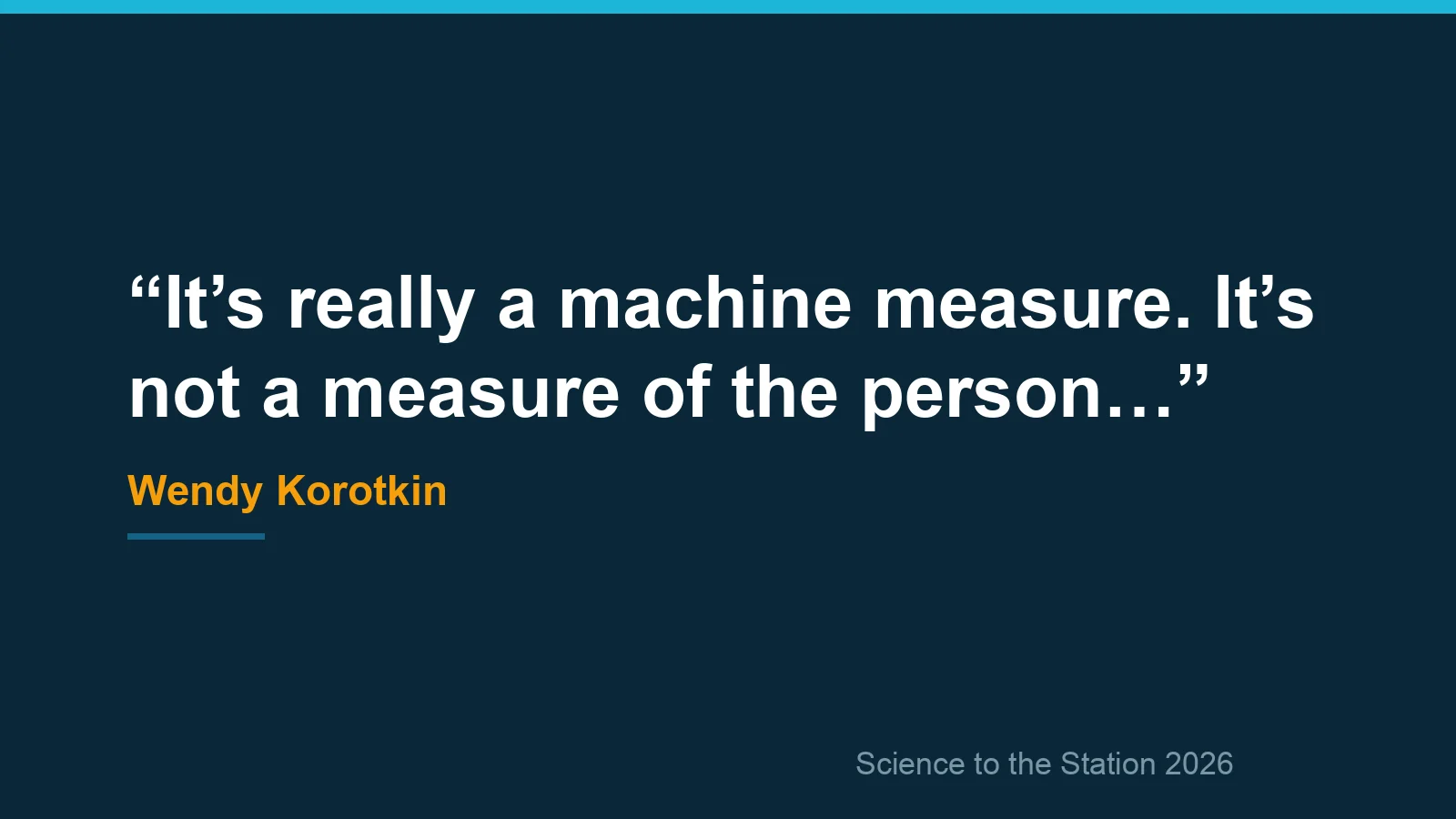
Wendy Korotkin and Alex Stephenson took on unit hour utilization, the standard workload number. Crews say they're tired, the number says they aren't busy, and leaders believe the number. Wendy put it plainly: "It's really a machine measure. It's not a measure of the person."
Their adjusted score adds what the standard number leaves out, like night calls, severe calls and back-to-back calls. Alex put it this way: "You want something to resonate? It's the nighttime calls. Everybody knows what it's like to be tired." He was blunt about the habit of answering a young firefighter's "I'm tired" with a story from back in the day. That's how you invalidate somebody, he said, and they stop listening. "It's a dynamic profession and we need dynamic metrics to measure what it is we do."
Alisa Koval and Marc Kruse came at the same problem from their screening data. Sleep sat at the center: "Sleep is the star of the show." And the hopeful part: "What happens when sleep gets better? Everything gets better."
What does ready mean at the end of a career?
Rose Douglass talked about retirement readiness. "A person can be pension eligible without being ready to retire." She described that readiness as financial, emotional, and having a purpose after the job. Her close: "Retirement is not the end of the mission, it's just the next assignment."
Who changes the culture?
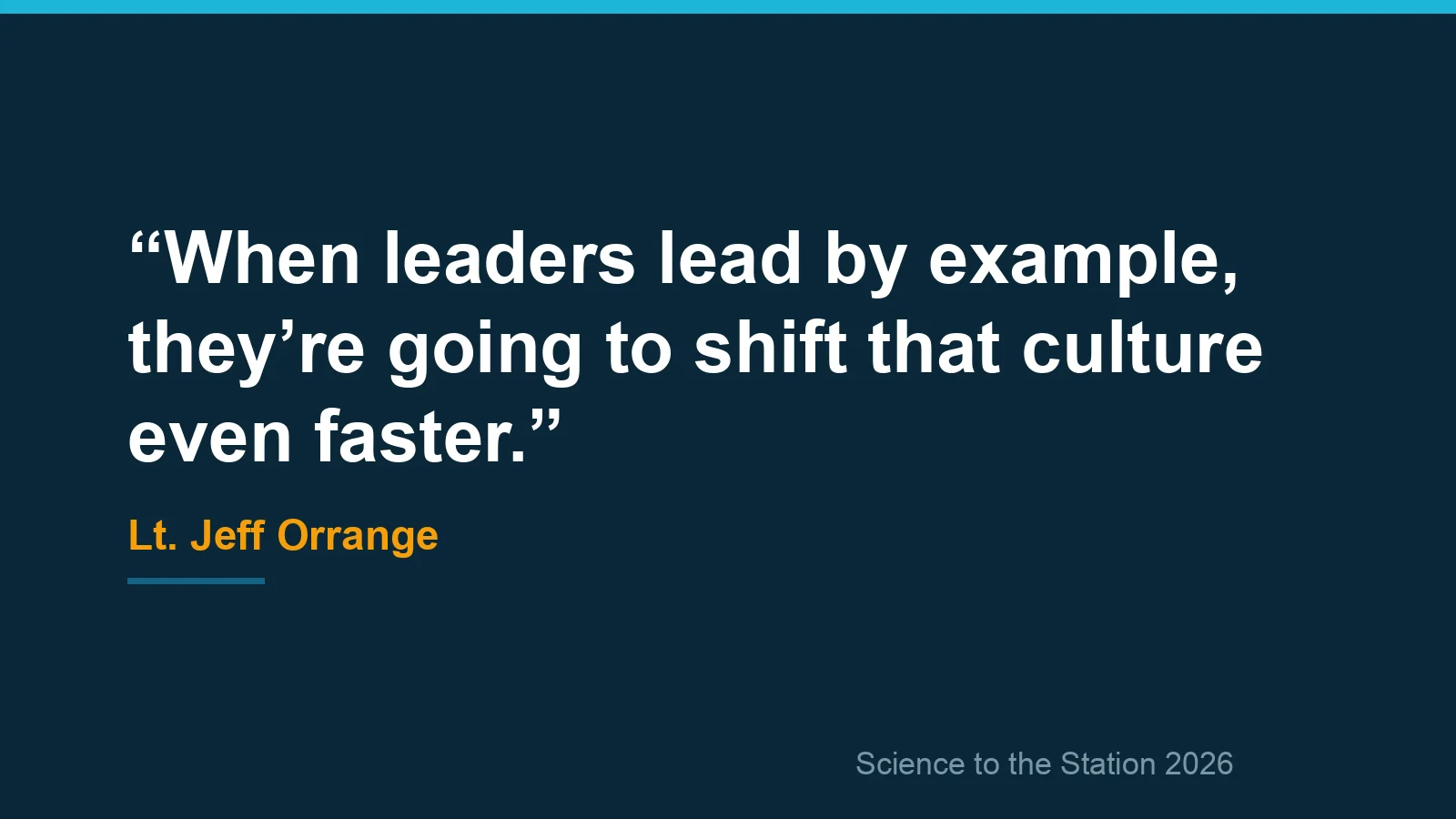
Lt. Jeff Orrange said he once thought crews didn't need executive leaders to change things. He changed his mind. "Maybe the boots on the ground could create a culture shift, but it might not be sustainable." Leadership is what makes it outlast the next chief, and "when leaders lead by example, they're going to shift that culture even faster." He also had a warning for all the good documents sitting on a shelf: "It has to be actionable, it has to be adaptable, and it has to move out of the realm of good information."
The podcaster panel closed the conference, and they were honest about the pace. One panelist used to assume that having the conversation would be enough, and learned that "it takes so much more evidence and so much more work to convert people." Another panelist: "We're not superheroes. We just can do extraordinary things because we've trained to do it."
What did I hear in the hallways?
People want wearables. They also see the big cost, and the devices aren't nearly as reliable as people claim. The stage was mixed too. The sleep talk from Alisa Koval and Marc Kruse made room for them: "There's a good role for tracking devices." The workload team called a biometric version of their score their white whale. Another speaker, studying academy recruits, called one wearable's strain score proprietary and hard to read near the top of its scale.
Retention is a huge problem.
There was a lot of interest in what Okaya does in training.
Bottom-up adoption came up often: people don't want to wait for the higher-ups to agree before they start. That sits right next to Jeff Orrange's point. Crews can start it, and leaders make it last.
People want to be part of a movement. They want to be change agents, and they want results. The moderator closed the event by reading out a text someone had sent: "It's not a conference. It's a movement."
Everyone talks about data, research and studies.
And the firefighters I talked with love fire culture: the banter, challenging each other, games against each other, rankings. Something fun and competitive gets a conversation going. The long papers are still needed, but they don't break the ice.
Where does readiness fit?
On the last day, a roundtable panelist used the word, calling physical fitness part of readiness. The gap between eligible and ready doesn't wait for retirement either. It shows up on any shift.
Being ready includes saying when you're not. That gets easier when leaders go first, when the measure looks at the person and not only the machine, and when it doesn't add another task to the day. That's the gap we work on at Okaya, with a private readiness check-in that takes about 3 minutes.
Key points
- Greg Menvielle's takeaway from Science to the Station 2026 in Kansas City: ready on paper and ready today aren't the same thing, and both silence and a call count can hide the gap.
- Speakers including Dave Emanuel, Wendy Korotkin, Alex Stephenson, Alisa Koval, Marc Kruse, Rose Douglass and Lt. Jeff Orrange kept returning to speaking up, fatigue, sleep, retirement and who changes the culture.
- In the hallways: interest in wearables held back by cost and reliability, retention, bottom-up adoption, and people who want to be change agents and want results.